The Science of Running: What Happens to Your Body When You Run?
Health

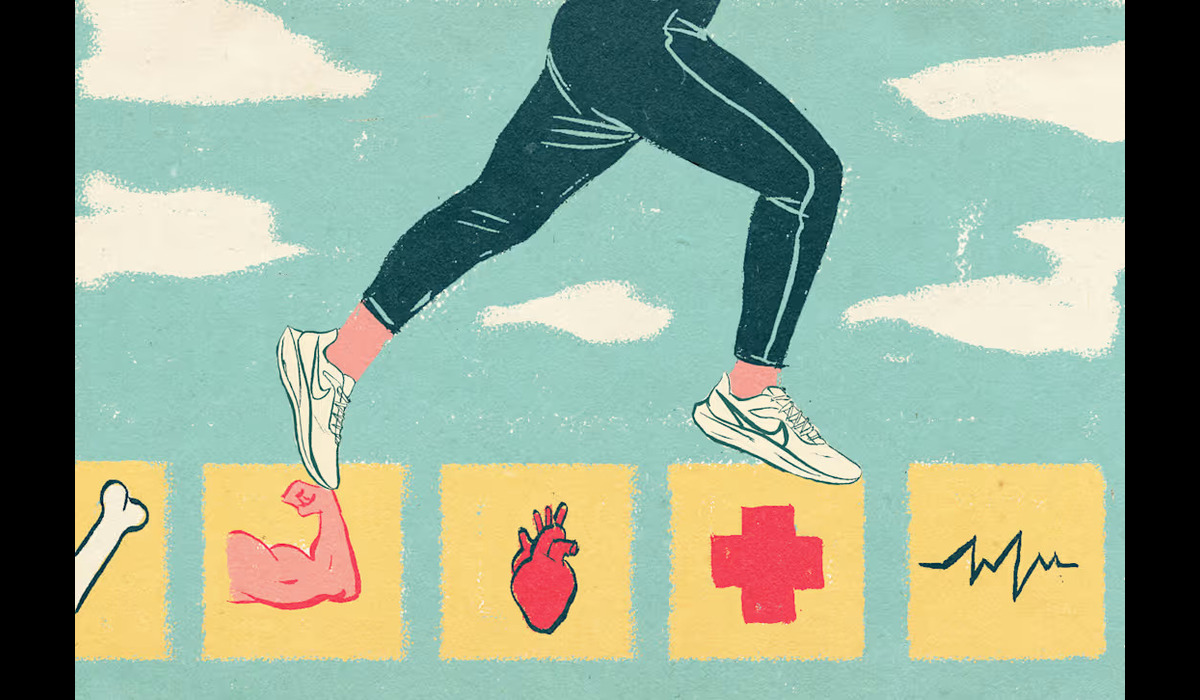
Running might seem like a simple activity—you put one foot in front of the other, right? But beneath the surface, your body is undergoing a symphony of physiological processes that impact nearly every system: muscles, lungs, heart, brain, and more.
Whether you’re a casual jogger or a seasoned marathoner, understanding what actually happens to your body when you run can help you appreciate the sport more deeply—and train smarter.
🫀 1. Your Heart Starts Working Overtime
One of the first things that happens when you start running is a sharp increase in heart rate. That’s your body’s way of delivering more oxygen-rich blood to your working muscles.
What’s happening:
- Heart rate increases to pump more blood.
- Blood vessels dilate to improve circulation.
Over time, your resting heart rate lowers—a sign of improved cardiovascular fitness.
💡 Fun fact: A runner’s heart can pump up to 4x more blood per minute than a non-runner’s during intense exercise.
🫁 2. Your Lungs Open Up
You might notice you’re breathing harder within the first few minutes of running. That’s your lungs working to meet your body’s oxygen demands.
What’s happening:
- Respiratory rate increases to bring in more oxygen and release more CO₂.
- Your diaphragm strengthens over time.
- With consistent training, your body becomes more efficient at oxygen exchange.
🧠 3. Your Brain Gets a Boost
Running isn’t just good for the body—it’s a major win for your brain.
What’s happening:
- Endorphins (feel-good chemicals) are released, often creating a "runner’s high."
- Running boosts serotonin and dopamine, which support mood and focus.
Long-term, it may improve memory and reduce symptoms of depression and anxiety.
💡 Bonus: Some studies suggest regular aerobic exercise increases the size of the hippocampus, the part of the brain linked to learning and memory.
💪 4. Your Muscles Power Up
Running activates more than just your legs—it’s a full-body movement.
- What’s happening:
- Quadriceps, hamstrings, calves, and glutes contract rhythmically to propel you forward.
- Core muscles stabilize your spine and posture.
Over time, your muscles become stronger and more fatigue-resistant.
Note: Strength training can complement running by reducing injury risk and enhancing performance.
🦴 5. Your Bones Get Stronger
Running is a weight-bearing activity, which means it’s good for your skeletal system—when done correctly.
- What’s happening:
- Impact stress stimulates bone growth and density.
- With consistent training, bones adapt and become more resilient.
- Proper recovery and nutrition (especially calcium and vitamin D) are key to avoiding stress fractures.
🔥 6. You Burn Calories—and Tap Energy Reserves
Running is one of the most efficient ways to torch calories, but it’s not just about weight loss.
What’s happening:
- Your body first uses glycogen (stored carbs) for quick energy.
- As you keep running, it starts using fat stores as fuel.
- After your run, your body enters EPOC (excess post-exercise oxygen consumption), meaning you continue to burn calories while recovering.
💧 7. You Sweat to Stay Cool
As your core temperature rises, your body initiates a cooling process.
What’s happening:
- Sweat glands release fluid to help regulate temperature.
- Electrolytes like sodium and potassium are lost through sweat.
- Staying hydrated and replenishing electrolytes is essential, especially on long or hot runs.
🧠 Bonus: The Long-Term Benefits of Running
With regular training, your body becomes more efficient in nearly every way:
- Lower resting heart rate
- Increased lung capacity
- Better circulation
- Improved mental clarity
- Faster recovery
- Stronger immune response
Final Thoughts
Running is more than just exercise—it’s a biological orchestra of systems working together to move, adapt, and grow stronger. Each run makes small, meaningful changes in your body that build resilience, strength, and confidence over time.
So, the next time you head out for a run, remember: every step is a signal to your body to become better than it was yesterday.